
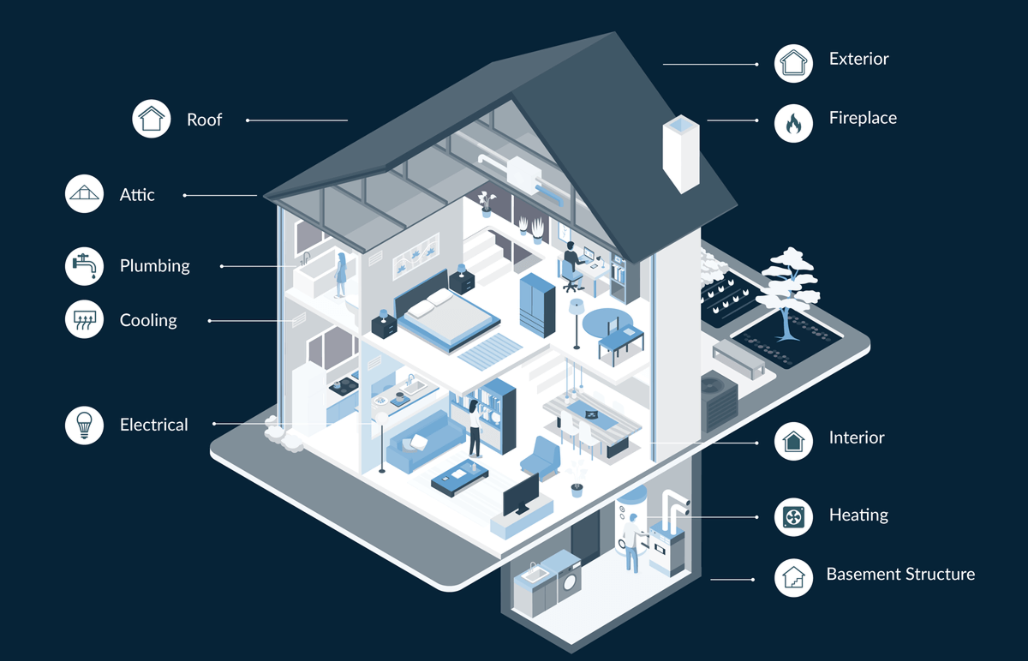
Home Inspections
Inspections are important because they are a proactive measure for identifying and addressing potential hazards, ensuring safety, preventing costly damage or accidents, maintaining property values, and ensuring compliance with legal and regulatory standards.
Key Benefits of Inspections
Enhancing Safety and Risk Management The primary benefit of inspections is safety—they identify potential hazards (e.g., faulty wiring, loose handrails, damaged equipment) before they cause accidents, injuries, or fatalities. This proactive approach protects employees, customers, and the general public, reducing the risk of personal harm and related liabilities.
Preventing Costly Repairs and Downtime Regular inspections help catch minor issues, such as a small leak or a worn part, before they escalate into major, expensive problems that require extensive repairs or equipment replacement. In a business setting, this prevents unplanned downtime and project delays, which can result in significant financial losses.
Ensuring Compliance with Regulations Many industries, such as construction, food service, and transportation, have specific safety and quality standards set by regulatory bodies like the Occupational Safety and Health Administration (OSHA) or the National Fire Protection Association (NFPA). Regular inspections help businesses and individuals adhere to these legal requirements, avoiding fines, penalties, and potential legal action.
Informed Decision-Making In situations like buying a home, an inspection provides a detailed assessment of a property's condition, giving the buyer valuable insights into potential issues or necessary repairs. This information empowers them to make an informed decision, negotiate repairs or price adjustments, or, if necessary, walk away from a bad investment with peace of mind.
Preserving Asset Value For property owners or fleet managers, consistent inspections and the resulting proactive maintenance help preserve the value, functionality, and aesthetics of their significant investments over time.
Boosting Morale and Accountability In a workplace, regular safety inspections show employees that management is committed to their well-being, which can increase morale, productivity, and engagement in safety protocols.
Inspections are important because they are a proactive measure for identifying and addressing potential hazards, ensuring safety, preventing costly damage or accidents, maintaining property values, and ensuring compliance with legal and regulatory standards.
Key Benefits of Inspections
Enhancing Safety and Risk Management The primary benefit of inspections is safety—they identify potential hazards (e.g., faulty wiring, loose handrails, damaged equipment) before they cause accidents, injuries, or fatalities. This proactive approach protects employees, customers, and the general public, reducing the risk of personal harm and related liabilities.
Preventing Costly Repairs and Downtime Regular inspections help catch minor issues, such as a small leak or a worn part, before they escalate into major, expensive problems that require extensive repairs or equipment replacement. In a business setting, this prevents unplanned downtime and project delays, which can result in significant financial losses.
Ensuring Compliance with Regulations Many industries, such as construction, food service, and transportation, have specific safety and quality standards set by regulatory bodies like the Occupational Safety and Health Administration (OSHA) or the National Fire Protection Association (NFPA). Regular inspections help businesses and individuals adhere to these legal requirements, avoiding fines, penalties, and potential legal action.
Informed Decision-Making In situations like buying a home, an inspection provides a detailed assessment of a property's condition, giving the buyer valuable insights into potential issues or necessary repairs. This information empowers them to make an informed decision, negotiate repairs or price adjustments, or, if necessary, walk away from a bad investment with peace of mind.
Preserving Asset Value For property owners or fleet managers, consistent inspections and the resulting proactive maintenance help preserve the value, functionality, and aesthetics of their significant investments over time.
Boosting Morale and Accountability In a workplace, regular safety inspections show employees that management is committed to their well-being, which can increase morale, productivity, and engagement in safety protocols.